Tail or no Tail
The majority of usage for the canid tail is communication. There is balance involved as well, but it is no where near as used as a cat.
The classic example is the cheetah. Look how long and massive a cheetah tail is. This gives significant usage for balance to the cat.
[youtube]bxFArfwpjPU[/youtube]
Now the counterpart, the Saluki. The tail is used, but no where near as significant in its sharper movements.
[youtube]CTk2Cpa5xn0[/youtube]
Canids classically hunt by pounce or running out their prey. Wolves do not use the element of ambush and speed like the cat. The wolf intentionally runs the herd, evaluating which is the weakest to be cut out. They also often take turns running down rabbits. Totally different strategy.
The specialists above also have very different strategies. The cheetah has a good 90 seconds of speed before it overheats. The Saluki will run for minutes on end, pacing its prey and running it out, then taking it down. They have incredible stamina. They also have a very special thermoregulation and circulatory system, but that's another thread. ;)
Replies (29)
-
I always wondered if in dogs, the same rules applied as in felines. What I mean is that cats (small & big) make tremendous use of their tails for balance purposes when running, jumping, ect... Do dogs with long un-cropped tails have an advantage over dogs with cropped tails when it comes to balance while running, jumping, and all around movements? Thanks
-
 It depends on tail set, age when docked and type of tail.
-
 Since tails have survived as a part of the evolutionary process, I would conclude that they do serve a purpose in the dogs abilities in general. In some occupation I do believe that the tail is more of a detriment than an asset and normally those working breeds are docked. I am neutral on the docking and cropping controversy and believe that it is a personal choice and a right of ownership.
-
The majority of usage for the canid tail is communication. There is balance involved as well, but it is no where near as used as a cat. The classic example is the cheetah. Look how long and massive a cheetah tail is. This gives significant usage for balance to the cat. [youtube]bxFArfwpjPU[/youtube] Now the counterpart, the Saluki. The tail is used, but no where near as significant in its sharper movements. [youtube]CTk2Cpa5xn0[/youtube] Canids classically hunt by pounce or running out their prey. Wolves do not use the element of ambush and speed like the cat. The wolf intentionally runs the herd, evaluating which is the weakest to be cut out. They also often take turns running down rabbits. Totally different strategy. The specialists above also have very different strategies. The cheetah has a good 90 seconds of speed before it overheats. The Saluki will run for minutes on end, pacing its prey and running it out, then taking it down. They have incredible stamina. They also have a very special thermoregulation and circulatory system, but that's another thread. ;)
-
Depends on the breed. Some dogs have huge tails like a Saint Bernard, they weren't bred to do anything that would need a lot of balance. Then you have dogs like the sighthounds that usually have these little spindly tails, pretty sure wouldn't make much difference if they had no tails. Dogs like Labs and Newfies, apparently use their tails like rudders. I think most dogs wouldn't miss their tails much, except for communication reasons....and they wouldn't be able to clear a coffee table in one fell swoop !teeth
-
Actually you reminded me of another function Tosamama. Mountain and some northern breeds like the St Bernard would use their tail for a level of warmth in cold environments.
-
Cropping of(f) tails is useless crap of people who either think they r very traditional and cool, or r focused on a certain look their dogs haven't by nature. And don't come me wich such a crap the dog can break its tail. WT$F it can also break its leg, but u don't cut it off! We have learned here that a tail has many functions, so why taking them away? Look how ridiculous a big short coated dog looks with a cut, cropped, docked tail. A Dogue Allemande for example would look ridiculous without its natural tail. Good to know that people in Pakistan, Turkey and West-european countries r not such fashion victoms. The curled tails of LGDs also look cool, no doubt. And to big short coated mastiffs there belongs a long tail too. Why denying the sighthound influence in big short coated Mastiffs? This sums it up very well and answers the question! Period
-
[quote1312721925=gsicard] Since tails have survived as a part of the evolutionary process, I would conclude that they do serve a purpose in the dogs abilities in general. [/quote1312721925] It's not quite right, the dog is man's selection, in wild canids tail is relatively short, not long as in cats!
-
[quote1312724786=Igmuska] Actually you reminded me of another function Tosamama. Mountain and some northern breeds like the St Bernard would use their tail for a level of warmth in cold environments. [/quote1312724786] By the way, I'm not for chopping up dogs for cosmetic purposes. :( Husky types need their tails to keep their noses warm. can't believe how tough some of those northern type dogs can be, just lay in the snow and sleep.
-
I think it also depends on the purpose of the individual Dog which would depend as to wether or not it was cropped, For instance a LGD who would possibly have to defend against two or more wolves I would have it's tail docked because a tail is a grab point to stop a dog dead in it's tracks and already being at at a disadvantage I would not want to put anymore of a disadvantage on my dog Apartment living as well, mastiffs inparticular do very well in apartments but there tails can clean out a room with one good wag And then with rotties
-
[quote1312744750=BVLGARI] Cropping of(f) tails is useless crap of people who either think they r very traditional and cool, or r focused on a certain look their dogs haven't by nature.[/quote1312744750] Actually, in an otherwise rational discussion a post like this can be quite distracting and does not serve to discuss the issue at hand rationally. It does point out the emitional content with which many people approach the subject. Having an emotional discussion of what is otherwise a rational observation is an exercise in futility. So, my take is that the people who first docked or cropped their dogs - did it for good reasons. Those reasons are not so apparent today in our civil, non-agrarian societies. In some regions those traditions still serve the farmers and their dogs best. [quote1312744750=BVLGARI]This sums it up very well and answers the question! Period.[/quote1312744750] No it does not sum it up or answer anything for me. You do make some good points but that is not the end of the story. We have a much longer thread on here about cropping and docking. I think, I'll find it and bump it. A good read of it may serve to enlighten those who are open to the opinions of others.
-
Here is that other topic I mentioned above. There are a few others also but check this http://molosserdogs.com/e107_plugins/forum/forum_viewtopic.php?16597.0#post_16601 for another discussion on the subject.
-
Not sure why this thread got a bit out of hand, but on my part when I started it, I was only curious to find out if keeping a nice long tail would be an advantage when it comes to movement, balance, running, hunting, negotiating rocks, mountains, etc...
-
Your answer... not really. :P
-
you did answer and some others too, but then it got into some weird discussion...
-
That's the problem with public forums, everyone has an opinion, even if you don't know who it is. Just pick out what is helpful, and ignore the rest. It makes life easier. :)
-
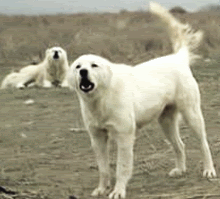
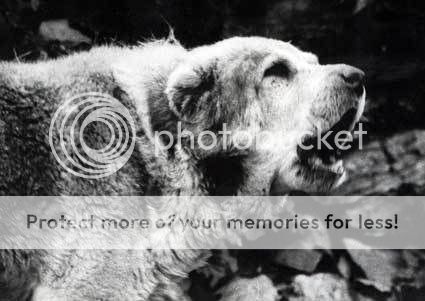
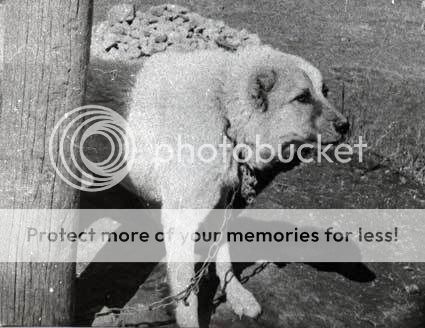
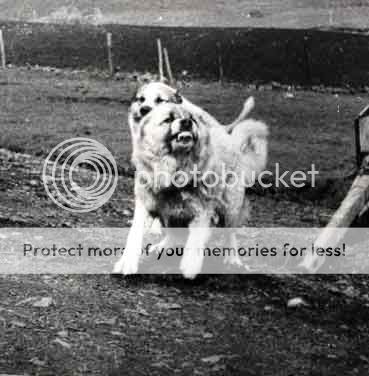
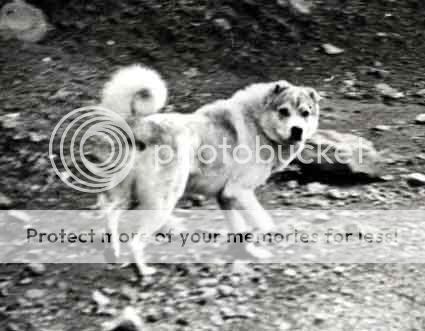
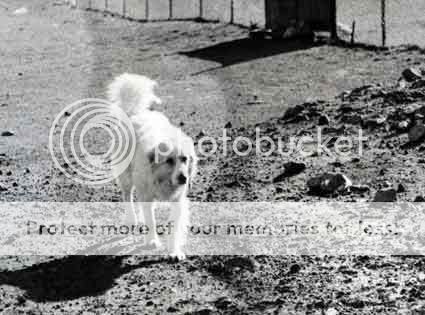
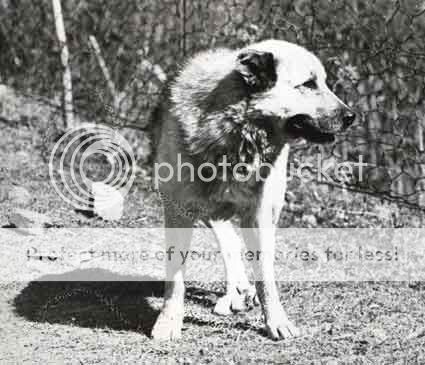
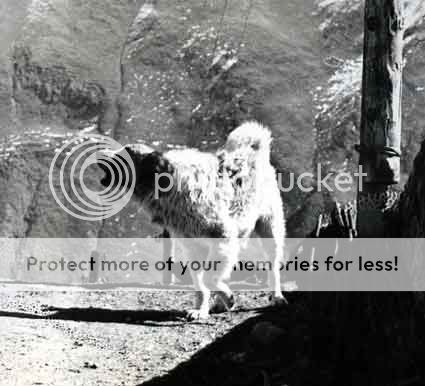
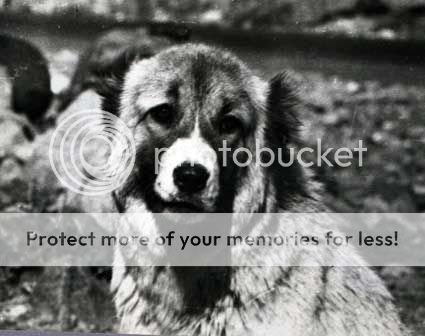
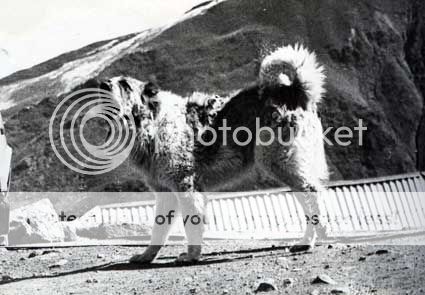
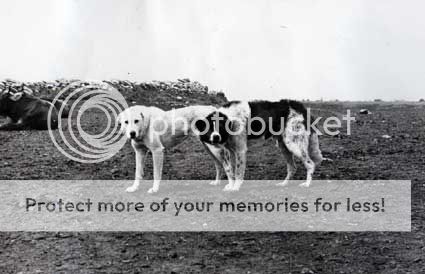
[quote1312757398=Castanha] Not sure why this thread got a bit out of hand, but on my part when I started it, I was only curious to find out if keeping a nice long tail would be an advantage when it comes to movement, balance, running, hunting, negotiating rocks, mountains, etc... [/quote1312757398] at best it could be an advantage to keep it, but even if it wasn´t an advantage, it for sure would never be a disadvantage to keep your dogs tail. a tail for sure is no vestigial organ like the appendix in humans. so where is the point for you to cut it off. ;) your own words were "keeping a nice long tail", this means you like it concerning looks. your dog is born as a perfect dog, no changes are needed. [quote1312757946=MrNiceGuy] I think it also depends on the purpose of the individual Dog which would depend as to wether or not it was cropped, For instance a LGD who would possibly have to defend against two or more wolves I would have it's tail docked because a tail is a grab point to stop a dog dead in it's tracks and already being at at a disadvantage I would not want to put anymore of a disadvantage on my dog And then with rotties [/quote1312757946] the story of one LGD fighting a pack of wolves is a bit unreal, as in most cases sheep are protected by a pack of LGDs too. in most countries working LGDs never had docked tails and defended successfully against wolves or other wild predators. even most native dogs of caucasus i have seen so far doing their job, didn´t have docked tails. quite weird, as opposed to this, all CAOs who will never have to defend a flock against wolves, but have to compete in dog shows have docked tails. :O !special often their owners stand beside them and have this little stumpy tail in one hand and hold it into an upright position. pretty ridiculous, if you ask me. :-p and here some vintage pics:





-
THIS is my OWN personal opinion, BUT I don't think a tail makes THAT big a difference. A tail hasn't affected Rotts or Dobes EVER, that I know of and their balance appears to be pretty good. Lastly, if a person spent THEIR money on THEIR dog whether it be cosmetic or NOT and it is LEGAL, I think they have that right and shouldn't have to answer to ANYONE. Too many people get into other people's business or are overbearing with their opinion when that's ALL it is, THEIR opinion. How strongly one feels about one thing does not give them the right to force their will on others. Thank You
-
[quote1312772564=acamper] THIS is my OWN personal opinion, BUT I don't think a tail makes THAT big a difference. A tail hasn't affected Rotts or Dobes EVER, that I know of and their balance appears to be pretty good. Lastly, if a person spent THEIR money on THEIR dog whether it be cosmetic or NOT and it is LEGAL, I think they have that right and shouldn't have to answer to ANYONE. Too many people get into other people's business or are overbearing with their opinion when that's ALL it is, THEIR opinion. How strongly one feels about one thing does not give them the right to force their will on others. Thank You [/quote1312772564] Yes, it is her business as long as it is legal in her country and she has to answer nobody. But she has asked for opinions, so she got opinions. But now I really would like to know what she wants, what she prefers and why she prefers it? Is it all about such important things as looks? Thank you for enlightment in advance.
-
Actually, HE didn't ask for opinions about whether YOU prefer docking or not, HE asked if it affected the dog's ability in any way. YOU offered an opinion. HE also didn't say he had or was going to dock a tail, YOU just assumed so. ;) Gary then opened another thread where OPINIONS are welcomed. If you would like to discuss the opinions, theories, and legislation behind docking, go there.
-
TAKE IT OFF! lol, saves tables from getting cleared and legs from bruising.
-
[quote1312849148=BVLGARI] [quote1312772564=acamper] THIS is my OWN personal opinion, BUT I don't think a tail makes THAT big a difference. A tail hasn't affected Rotts or Dobes EVER, that I know of and their balance appears to be pretty good. Lastly, if a person spent THEIR money on THEIR dog whether it be cosmetic or NOT and it is LEGAL, I think they have that right and shouldn't have to answer to ANYONE. Too many people get into other people's business or are overbearing with their opinion when that's ALL it is, THEIR opinion. How strongly one feels about one thing does not give them the right to force their will on others. Thank You [/quote1312772564] Yes, it is her business as long as it is legal in her country and she has to answer nobody. But she has asked for opinions, so she got opinions. But now I really would like to know what she wants, what she prefers and why she prefers it? Is it all about such important things as looks? Thank you for enlightment in advance. [/quote1312849148] Okay I THINK I'm doing this right, quoting off of a quote to MY quote. A question was aked if any of these things affect a dog's ability, I answered THAT question and then went on to add my opinion regarding tails and ears and also using Rottweilers and Dobermans as example of dogs able to function without, so I'm pretty sure I read correctly and answered accordingly. I guess the question THEN comes to mind, are we to STRICTLY follow the open discussion or are we free to voice our opinion and add other things to the discussion? I DID understand which discussion this was as well, I am what some would call a newbie so I try to hear opinions from MANY that know more about dogs than I do and I like a good discussion/debate, after all I TAUGHT it for 9 years, LOL.
-
[quote1312850132=babigirl] TAKE IT OFF! lol, saves tables from getting cleared and legs from bruising. [/quote1312850132] LOL, I LIKE this.
-
[quote1312850190=Igmuska] Actually, HE didn't ask for opinions about whether YOU prefer docking or not, HE asked if it affected the dog's ability in any way. YOU offered an opinion. HE also didn't say he had or was going to dock a tail, YOU just assumed so. ;) Gary then opened another thread where OPINIONS are welcomed. If you would like to discuss the opinions, theories, and legislation behind docking, go there. [/quote1312850190] LOL
-
[quote1312858100=Igmuska] Actually, HE didn't ask for opinions about whether YOU prefer docking or not, HE asked if it affected the dog's ability in any way. YOU offered an opinion. [/quote1312858100] This is priceless - strange how getting back to the question puts things in perspective. ^o)
-
i would say the tail is more for body language/signaling than anything. animals that use their tails for balance usually have very long large tails. its pretty easy to see the effects of the tail as far as balance goes in these lemurs. http://www.youtube.com/watch?v=E2CRx0OPp6s
-
Igmuska, glad you clarified the he/she confusion...lol
-
 [quote1312940361=cawkazn]~ animals that use their tails for balance usually have very long large tails. [/quote1312940361] The tail would be proportional to the speed and size (length) of the animal if they are predators. Faster animals that must make rapid turns would probably have longer tails... Stankowich, T. (2008) Tail-Flicking, Tail-Flagging, and Tail Position in Ungulates with Special Reference to Black-Tailed Deer. Ethology. 114(9): 875-885. Stankowich (2008) tested the functional significance of assumed anti-predator behaviors in ungulates. The author noted much debate has arisen over the function of many ungulate signals involving their tails and rump-patches due to unclear or overlapping definitions of these signals. Stankowich redefined the behaviors he used in this article to include tail-flicking, tail-flagging, and tail position in distinct categories. The author tested the responses of Colombian black-tailed deer in free-living populations to the approach of humans as potential predators. Stankowich found that the deer were observed tail-flicking and flagging most often in feeding bouts and in alert states, and was more common at the end of alert behavior. Tail-flagging, which is essentially a repeated bout of flicking was interpreted as a signal of increased agitation while flicking alone was most likely linked to movement. This agitation however is not apparently associated with perception of increased danger and thought to not have an anti-predator function. Erect tail position was associated with flight behavior and stotting but the author noted the confounding anti-predator effect of exposing rump patches. He concluded that erect tail position could have anti-predator function but alternative explanations were not ruled out in this study. This study was surprisingly lacking in evidence for or against function of the investigated signals. The author assumed that free living deer that have had little contact with humans and have not been protected from hunting by humans will perceive and approaching human as a predatory threat. As discussed in class, predator alarm signals can function either to alert members of the social group to the presence of a predator or to act to deter the predator from attacking. In this study, the author did not record the responses of other individuals to changes in tail signals and therefore could not draw conclusions about a conspecific alert function for tail signaling. Also the author did not attempt to show a deterrent function of tail behavior because he gave no evidence that the behaviors in some way would lessen predator success. The author simply provided patterns of occurrence of the behaviors described which does not necessarily elucidate the selective function of the tail signals. http://www.clfs.umd.edu/faculty/wilkinson/bsci338/Rev095/Stankowich08.htm
-
i always thought, the white tail on a deer or rabbit, is so that you focus on that white part as they run away, and once they get a distance away, you lose them cause you were focusing on the white part and than they put their tail back down and you lose sight of them cause their brown fur camos them back into the brush.