Add new...
The site administrator
Comments
My Articles
Private
Access denied. This is private content.
Joined Organizations


Admin Discussions




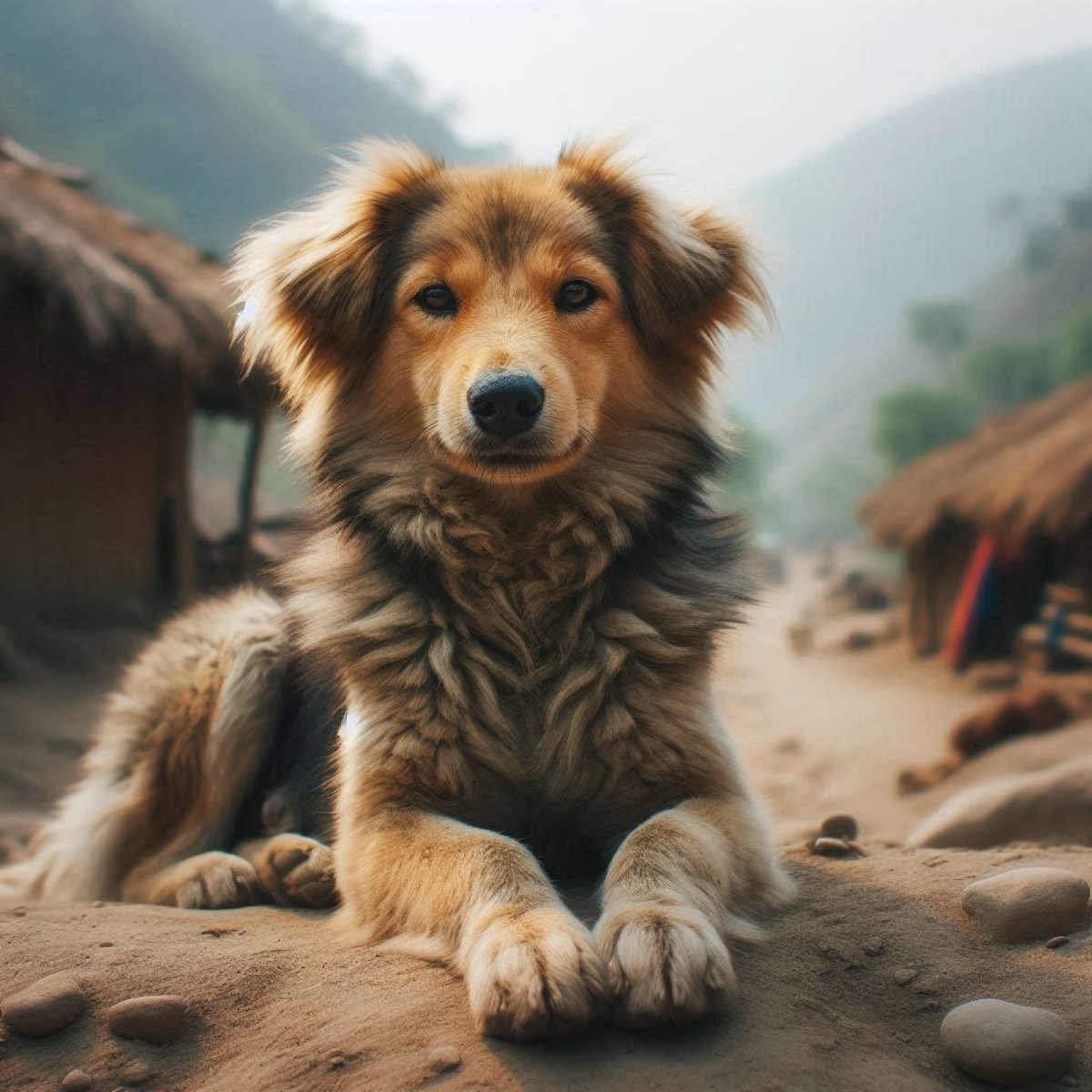



Modifying its earlier ruling, India's top court said that dogs picked up in the past few weeks in Delhi and its suburbs would be released after sterilization and immunization, barring those showing aggressive behavior or signs of rabies infection.


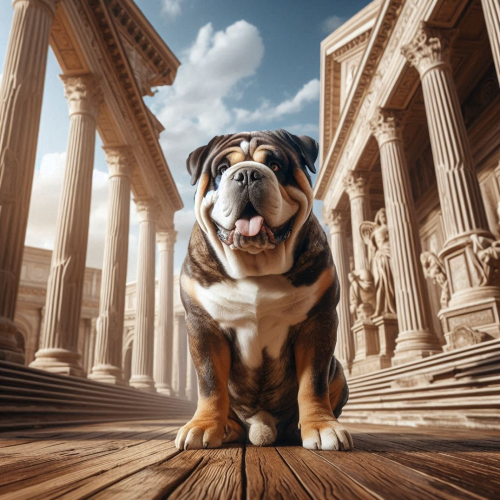
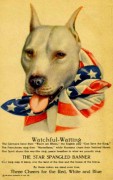
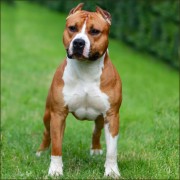
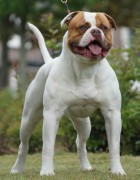
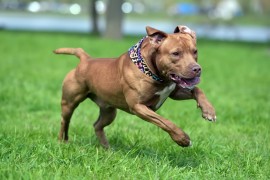
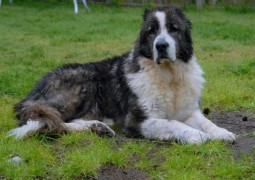
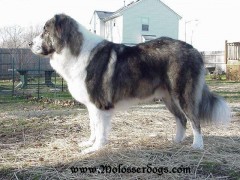
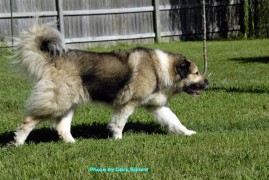
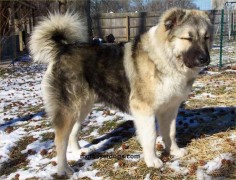
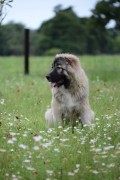
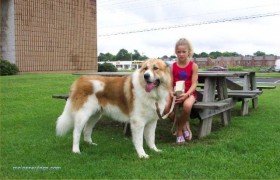
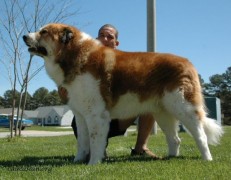
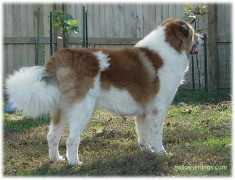
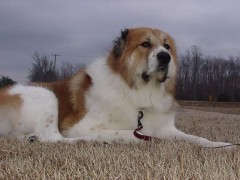
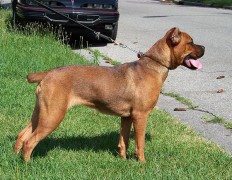
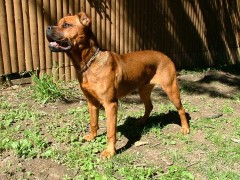
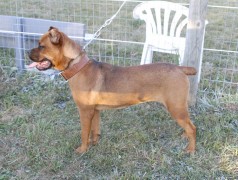
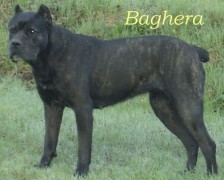
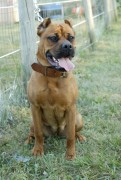
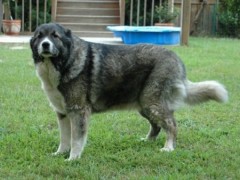
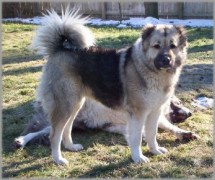
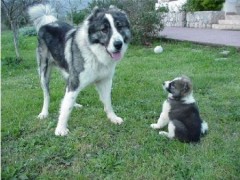
The Molossian Bulldog, often referred to as a Molosser, is a breed with ancient roots and a fascinating history. History and Origin The Molossian Bulldog traces its lineage back to the Molossians, an ancient people from Epirus, a region in modern-day Greece and Albania. These dogs were originally bred for hunting large game, guarding livestock, and even accompanying warriors into battle. Their strength, courage, and loyalty made them indispensable companions. Physical Characteristics - Size: Molossian Bulldogs are large and muscular, with a broad chest and powerful build.- Height: Typically ranges from 23 to 26 inches.- Weight: Between 60 to 100 pounds.- Coat: Short and dense, often in shades of fawn, brindle, or black.- Head: Broad and square-shaped, with a pronounced jawline.- Eyes: Deep-set and expressive, often conveying their protective nature.Temperament Molossian Bulldogs are known for their loyalty and protective instincts. They are: - Affectionate: Despite their imposing appearance, they are gentle and loving with their families.- Courageous: Fearless when it comes to protecting their loved ones.- Intelligent: Quick learners, making them suitable for various roles, including guard dogs and service animals.Health and Lifespan - Life Expectancy: Around 7 to 10 years.- Common Health Issues: Like many large breeds, they may be prone to hip and elbow dysplasia. Regular vet check-ups and a balanced diet are essential for their well-being.Care Requirements - Exercise: They require daily physical activity to maintain their health and prevent boredom.- Training: Early socialization and consistent training are crucial to ensure they grow into well-behaved adults.- Diet: A high-quality diet tailored to their size and activity level is recommended.Interesting Facts - The Molossian Bulldog is considered the ancestor of many modern Molosser breeds, including the Mastiff and the Rottweiler.- Their name is derived from the Molossians, who were renowned for their strong and courageous dogs. Training Tips 1. Early Socialization: Introduce your Molossian Bulldog to various people, environments, and other animals while they're young. This reduces the chance of fear or aggression later in life.2. Positive Reinforcement: Reward-based training works best for this intelligent breed. Use treats, praise, or toys to encourage desired behavior.3. Consistency is Key: Establish clear rules and follow them consistently. Mixed signals can confuse your dog.4. Obedience Training: Start with basic commands such as sit, stay, and come. Gradually progress to advanced training, which strengthens your bond and keeps their minds engaged.5. Confidence Building: Teach them independence by gently encouraging them to explore new situations. This helps them stay calm and composed, especially as guard dogs.6. Problem Solving: Provide puzzles, interactive toys, or hidden treat games to stimulate their intelligence. Care Tips 1. Exercise Needs: Molossian Bulldogs need daily physical activity, such as walks or playtime, to maintain their health and prevent boredom.2. Nutrition: Feed them a balanced diet appropriate for large breeds. Consult your veterinarian for portion size and ensure they’re getting the right nutrients.3. Grooming: Their short coat is low-maintenance—regular brushing will keep it clean and reduce shedding.4. Health Monitoring: Schedule regular vet visits and keep an eye on any potential signs of hip dysplasia or other common conditions.5. Safe Environment: Provide a secure and comfortable space for them to rest and retreat when needed. Large, energetic dogs thrive in homes with ample room.6. Mental Stimulation: Offer toys, challenges, and training sessions to keep them sharp and happy.7. Love and Attention: Don’t forget to show them affection. These loyal dogs thrive on bonding with their families.
Admin Albums
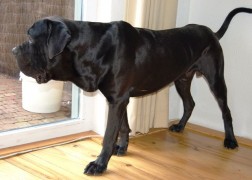
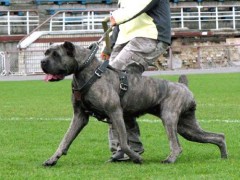
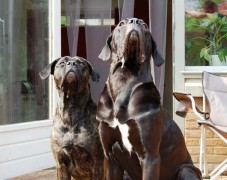
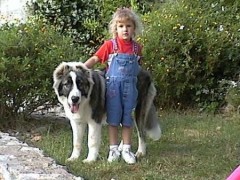
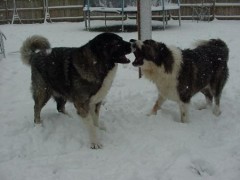
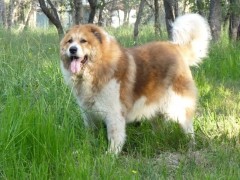
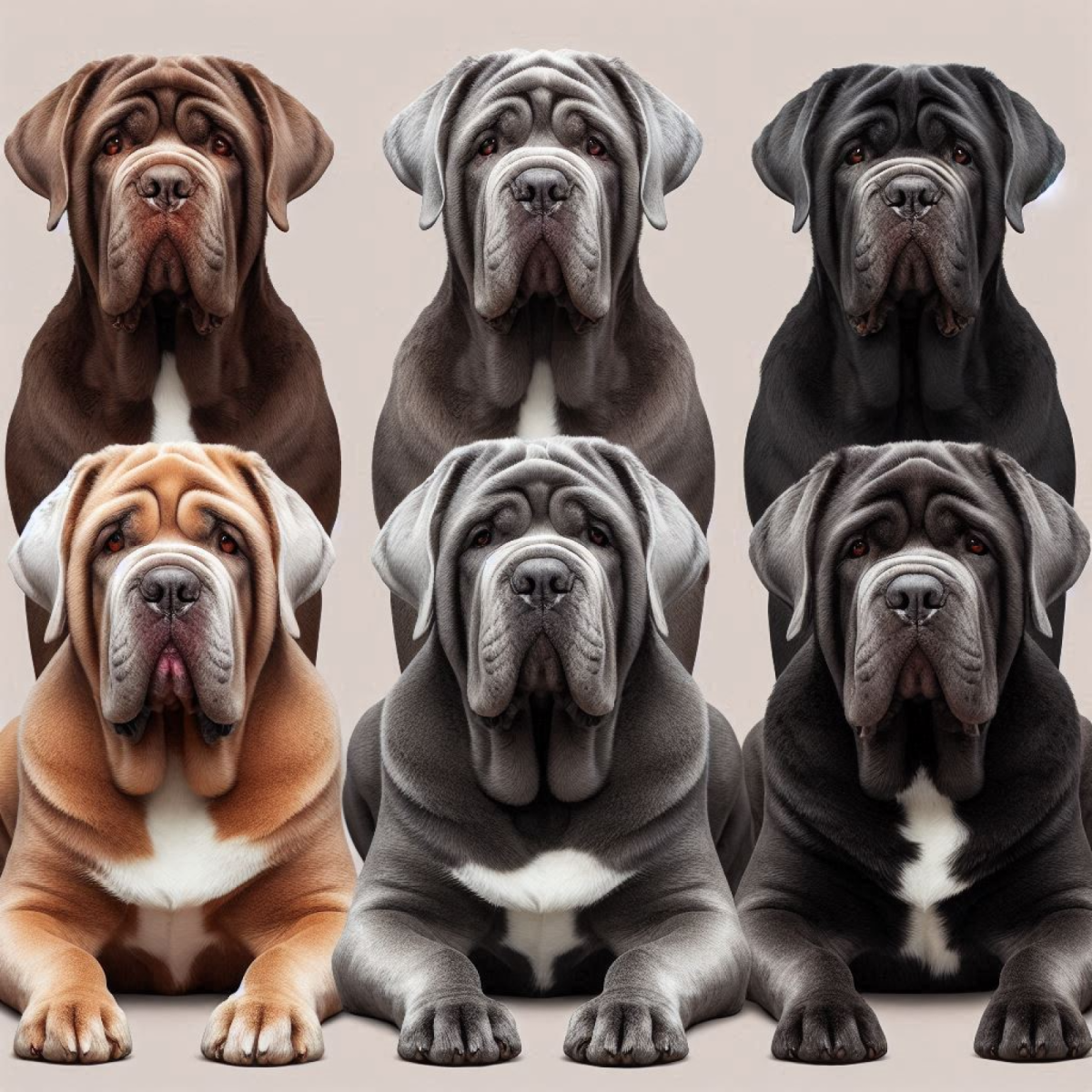
The ancient Neapolitan Mastiff is an imposing breed. Share your old photos here.